
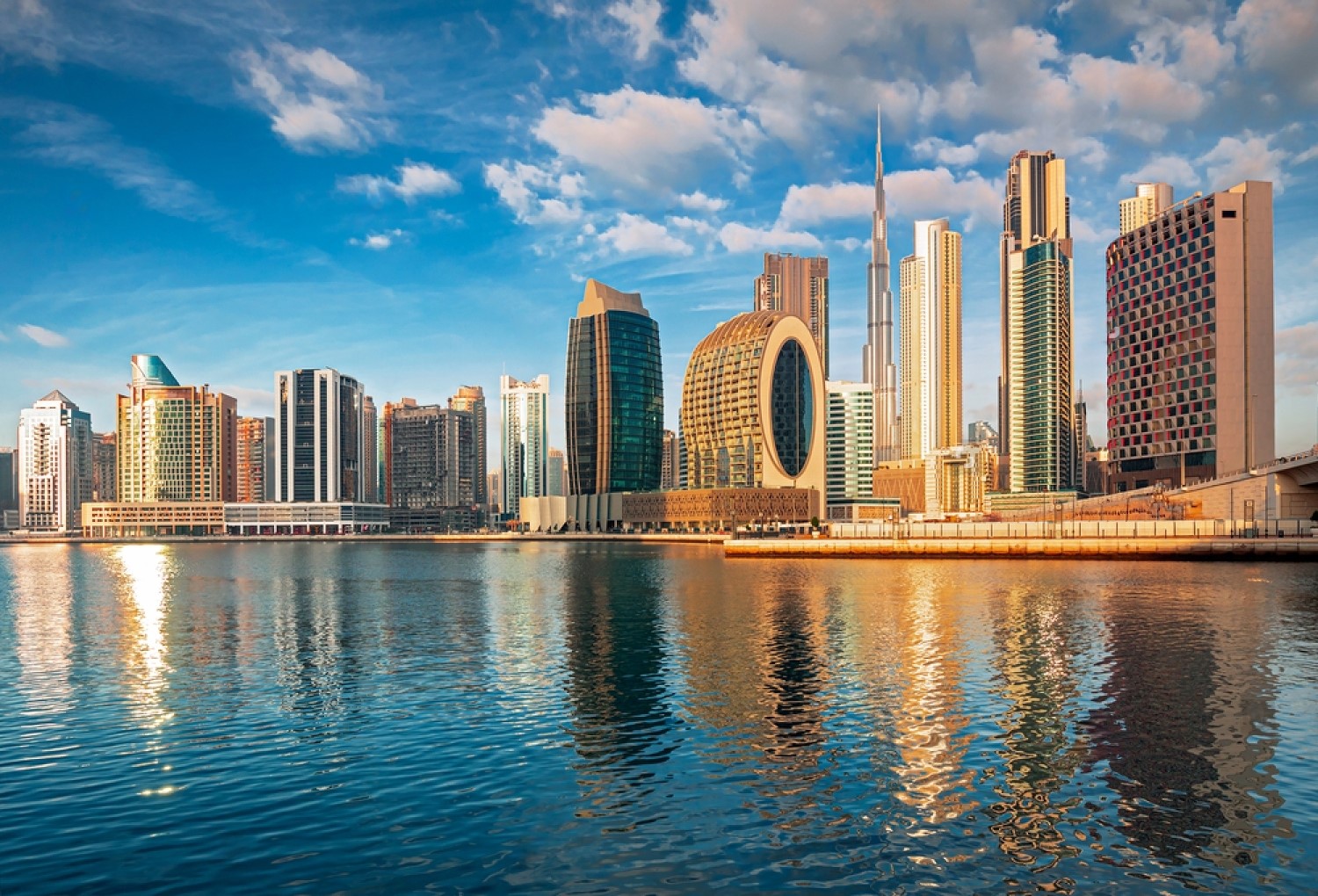
Recovery of the Real Estate Sector: A New Dawn for Global Markets
The global real estate sector has faced significant challenges in recent years, with the pandemic and economic uncertainty causing disruptions in property markets worldwide. However, as economies recover and adapt to new trends, the real estate sector is witnessing a resurgence, signaling a bright future ahead. From rising property values to increased demand for commercial and residential spaces, the recovery of the real estate market is driven by various factors that are reshaping the industry.
1. Post-Pandemic Rebound
The COVID-19 pandemic caused a temporary downturn in real estate markets globally, with lockdowns and restrictions slowing down transactions, developments, and investments. However, the sector has shown remarkable resilience as markets gradually recover. Factors such as government stimulus packages, low-interest rates, and increased vaccination efforts have played a key role in stabilizing economies and encouraging real estate activity once again.
-
Residential Demand: As more people work remotely or adopt hybrid working models, there has been a shift in housing preferences. Suburban areas and properties with larger living spaces have gained popularity, leading to rising demand in residential real estate markets.
-
Commercial Real Estate: While the demand for traditional office spaces took a hit, new opportunities are emerging in flexible workspaces, co-working environments, and logistic hubs, fueled by the rise of e-commerce and digitalization.
2. New Trends Shaping the Recovery
The real estate sector is not just returning to pre-pandemic levels—it is evolving with new trends that reflect changing consumer behaviors and technological advancements. These trends are playing a crucial role in the ongoing recovery of the market.
-
Sustainability and Green Buildings: With an increasing focus on environmental responsibility, more developers are prioritizing sustainable and energy-efficient buildings. This trend is being driven by both consumer demand and government regulations, making green real estate a key growth area in the sector.
-
Digital Transformation: The pandemic accelerated the adoption of digital tools in real estate, from virtual property tours to online contract signing. Proptech (property technology) is reshaping the way transactions are conducted, making the buying, selling, and renting process more seamless and efficient.
-
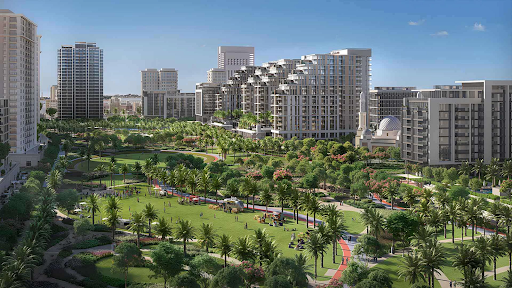
Urban Regeneration: As cities adapt to new post-pandemic realities, there has been a surge in urban regeneration projects. Cities are redesigning public spaces, infrastructure, and residential developments to accommodate changing needs, creating opportunities for real estate growth.
3. Global Hotspots for Real Estate Investment
The recovery of the real estate sector is not uniform across the globe. Certain markets are bouncing back faster and stronger, offering lucrative investment opportunities. Some of the key hotspots include:
-
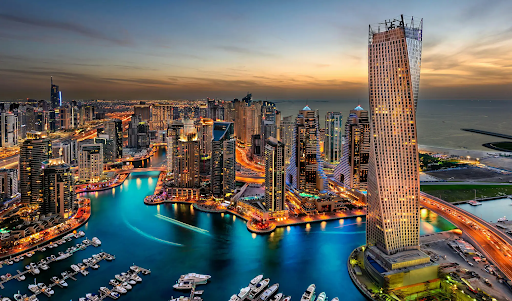
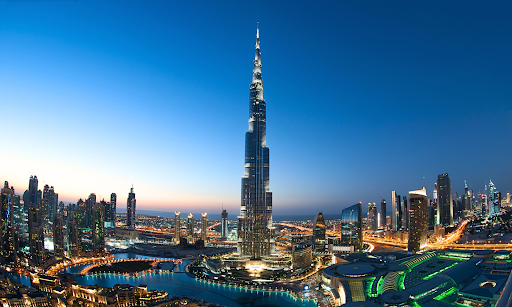
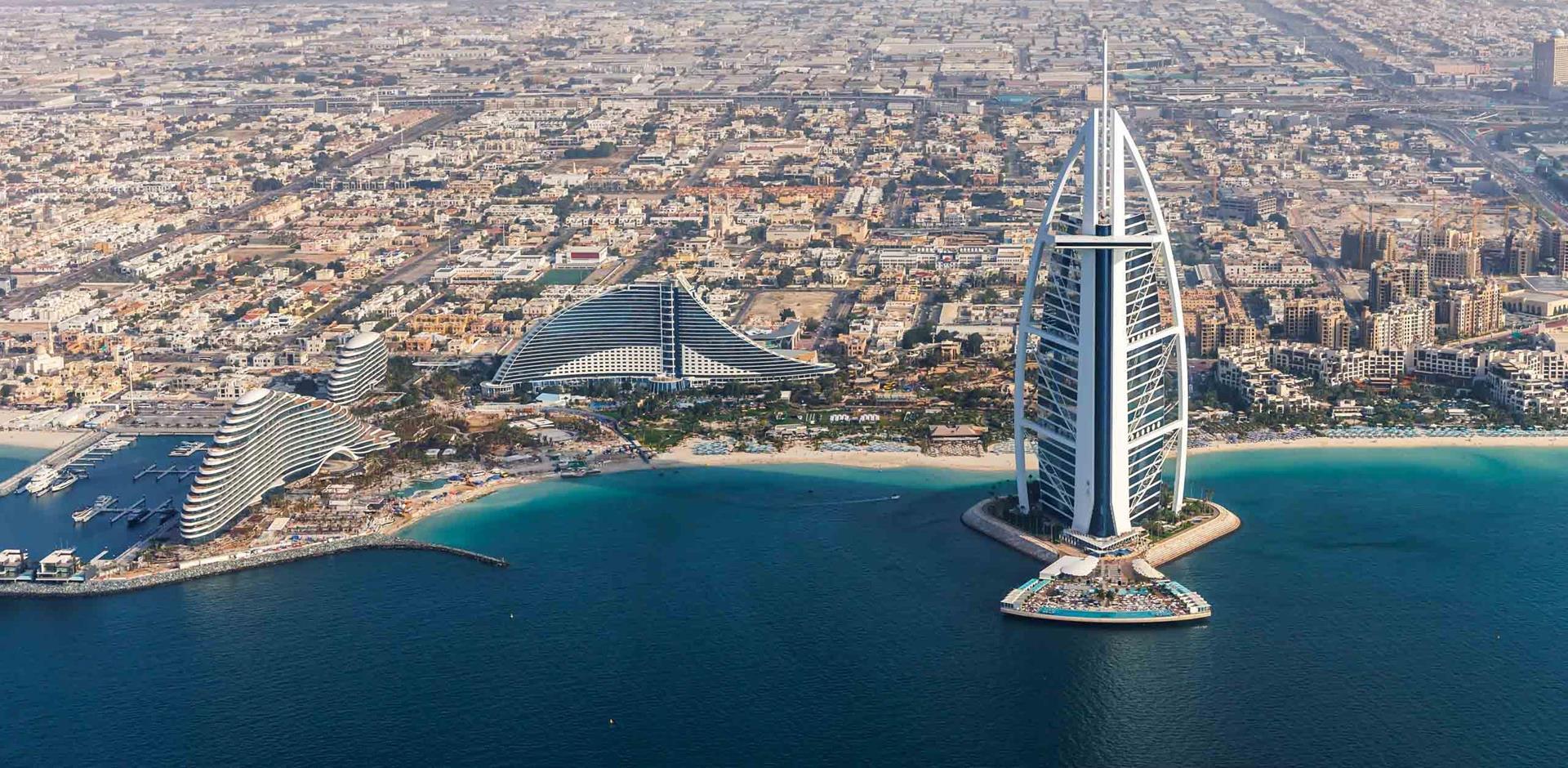
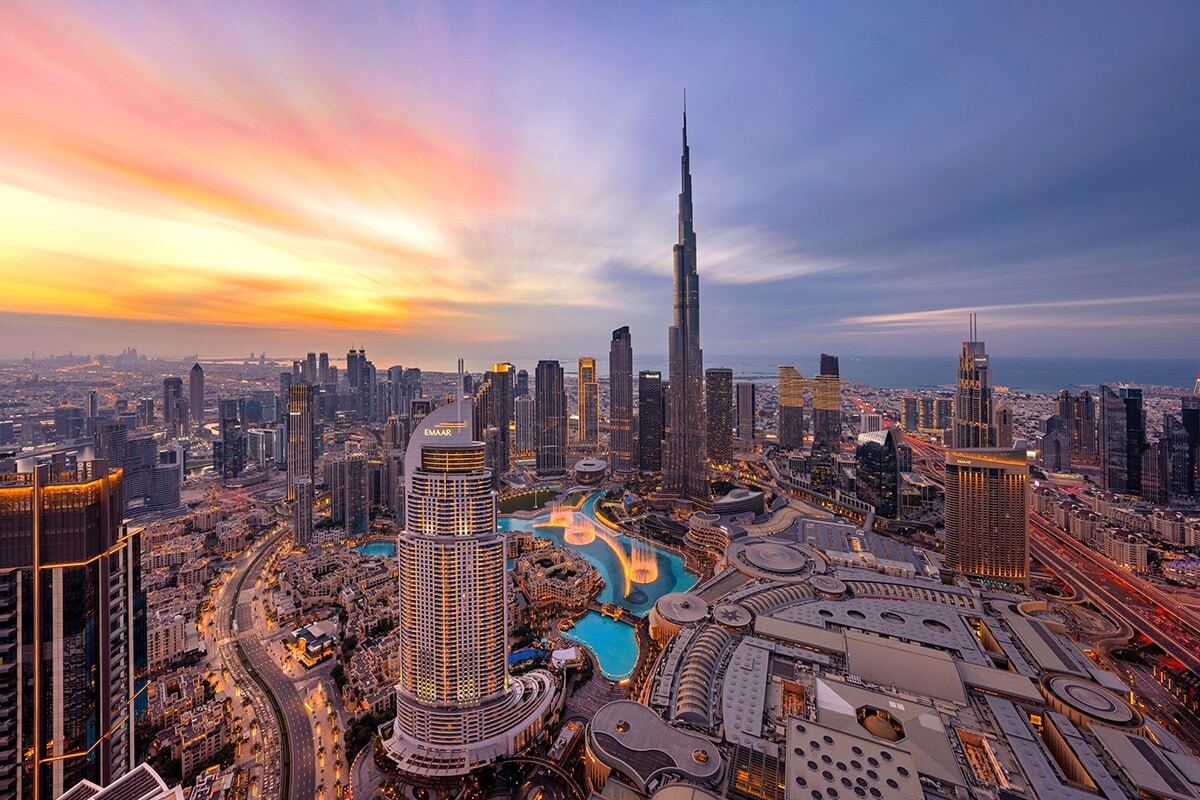
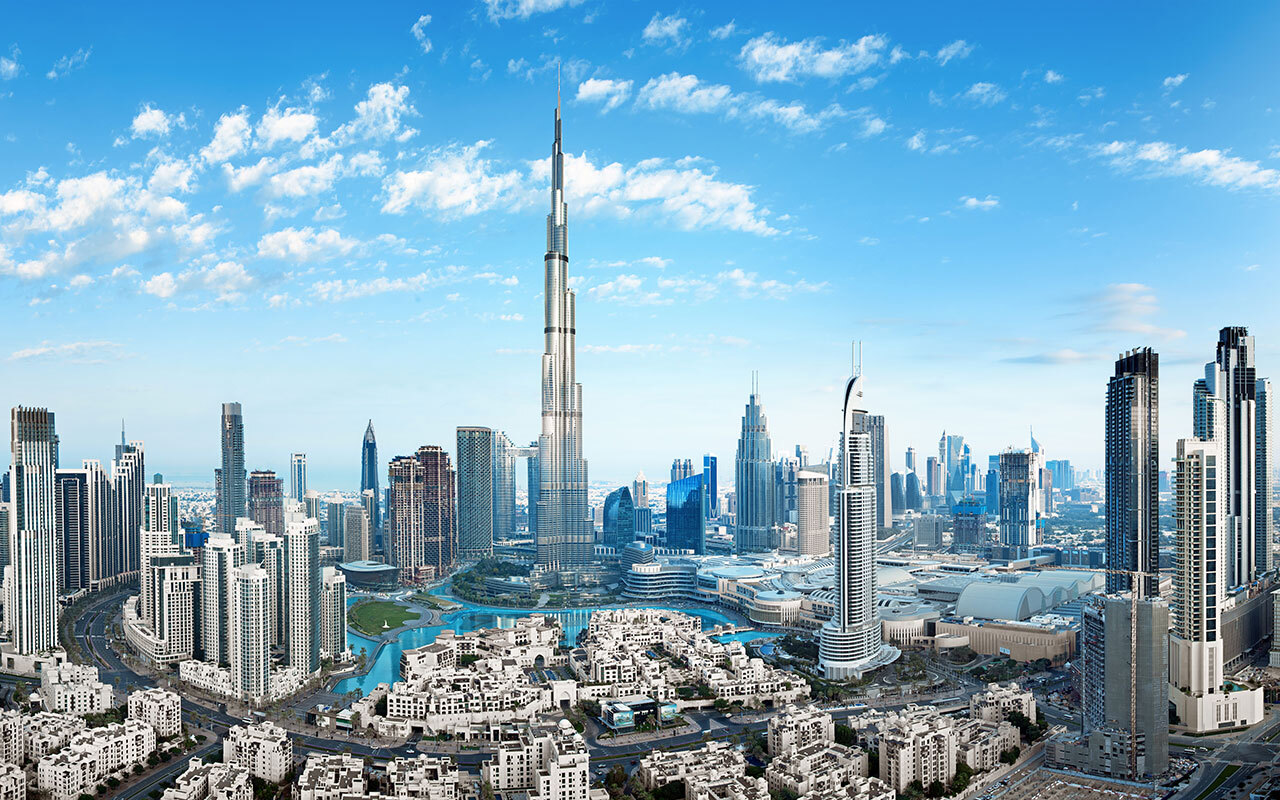
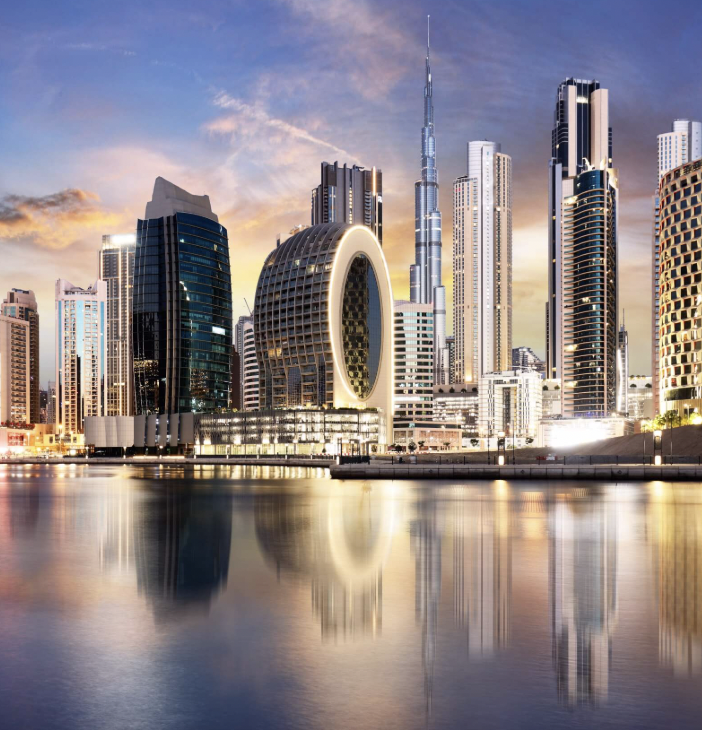
Dubai: The Dubai real estate market has seen a strong recovery, driven by high demand for luxury properties, favorable government policies, and a growing population of expatriates. The city's tax-free environment, coupled with rising rental yields, makes it a prime destination for global investors.
-
United States: The U.S. real estate market, particularly in cities like Miami, Austin, and Phoenix, has experienced a boom in property values. Low mortgage rates and a growing interest in suburban living have contributed to the sector's recovery in the country.
-
Asia-Pacific: Countries like Singapore, Australia, and Japan are experiencing a resurgence in property markets, fueled by growing urbanization, government incentives, and increased foreign investment.
4. Challenges on the Horizon
Despite the positive momentum, the real estate sector faces some challenges that may impact the pace of recovery. Rising construction costs, labor shortages, and inflation are putting pressure on developers, which could slow down new projects. Additionally, while the demand for properties is high, affordability remains an issue in many markets, particularly for first-time buyers. Governments and industry stakeholders will need to address these challenges to ensure a balanced and sustainable recovery.
5. The Future of Real Estate
As the real estate sector continues to recover, the future looks promising. With technology playing a pivotal role, the industry is set to become more efficient, transparent, and consumer-friendly. Sustainable and smart cities will likely define the next wave of real estate development, with a focus on creating communities that are not only functional but also environmentally responsible and resilient to future challenges.

.png)
.jpg)